A Helles-style lager is a pale German lager known for a smooth, malty flavor and a soft, dry finish. It is less bitter and more rounded than many pilsners, which makes it an approachable choice when you want a clean, refreshing beer with a little more bread-like malt character.
“Helles” is most often shorthand for Munich Helles, a classic Bavarian style. The useful thing to remember is the balance: malt leads, hops support, and the finish stays clean rather than sweet or sharp.
Helles is a pale, malt-forward lager
Helles sits in the pale-lager family, but it is not meant to be flavorless. The Beer Judge Certification Program describes Munich Helles as gold-colored, smooth, malty, and softly dry, with restrained bitterness and subtle spicy, floral, or herbal hop character. The beer should feel balanced and easy to drink, not sugary or aggressively hoppy.
That balance is why the style can feel familiar to someone who enjoys a straightforward lager, while still giving a curious beer drinker plenty to notice.
That balance explains why a Helles can feel fuller than a very crisp lager while still finishing cleanly. Look for words such as bready, grainy, soft, rounded, or gently malty on a tap list. Those are better clues than color alone.
What Helles-style lager means
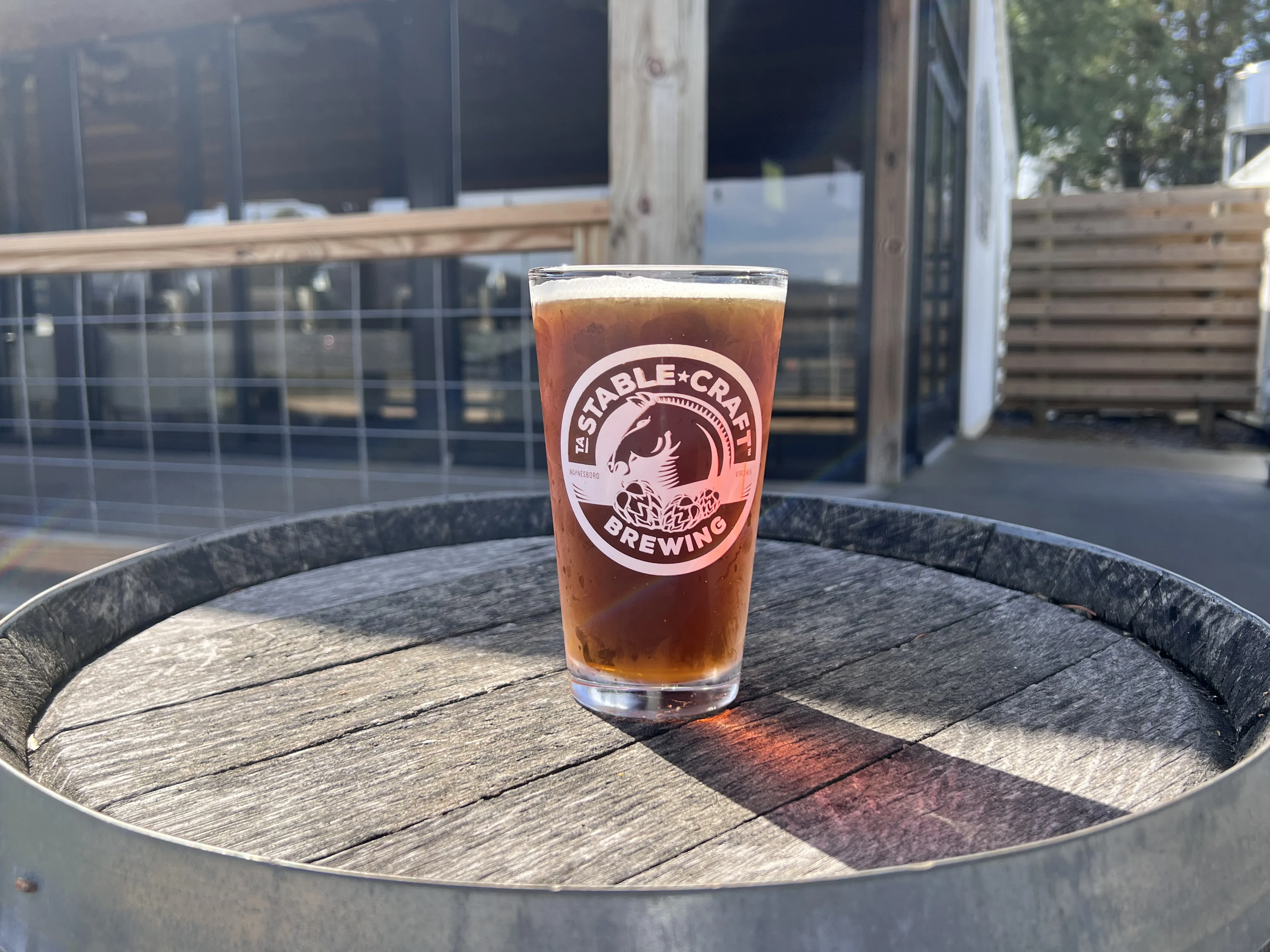
“Helles-style” means a brewery is working in the tradition of Munich Helles rather than promising that every detail will match one particular German example. The shared idea is a pale, bottom-fermented lager where smooth malt, moderate body, and gentle bitterness all have room to show up.
That leaves room for a brewer’s own ingredients and process. One Helles-style lager may lean more toward fresh bread and grain, while another may bring a touch more floral or herbal hop aroma. The style still has a recognizable center: it should feel balanced, clean, and refreshing, with the malt more noticeable than the hops.
Munich gave the style its classic identity
Munich Helles was created in Munich in 1894 as a pale lager that could stand beside the pilsner-style beers gaining attention at the time. It became especially associated with Southern Germany, where a softer malt emphasis became part of its character.
Modern breweries may call a beer Helles, Munich Helles, Helles Lagerbier, or Helles-style lager. The exact recipe can vary, but the name tells you to expect a pale lager that puts balance and drinkability ahead of intense hops or heavy sweetness.
The history is useful because it explains the style’s point of view. Helles was designed to be satisfying in a full glass, not just impressive in a first sip. Its appeal comes from precision and restraint, with each element supporting the next instead of competing for attention.
Helles and pilsner are close relatives with different priorities
Both styles are pale lagers, so the distinction is usually in the finish. A German pils tends to feel crisper, drier, and more hop-forward. A Helles usually brings more malt presence and body, while keeping the bitterness lower and softer.
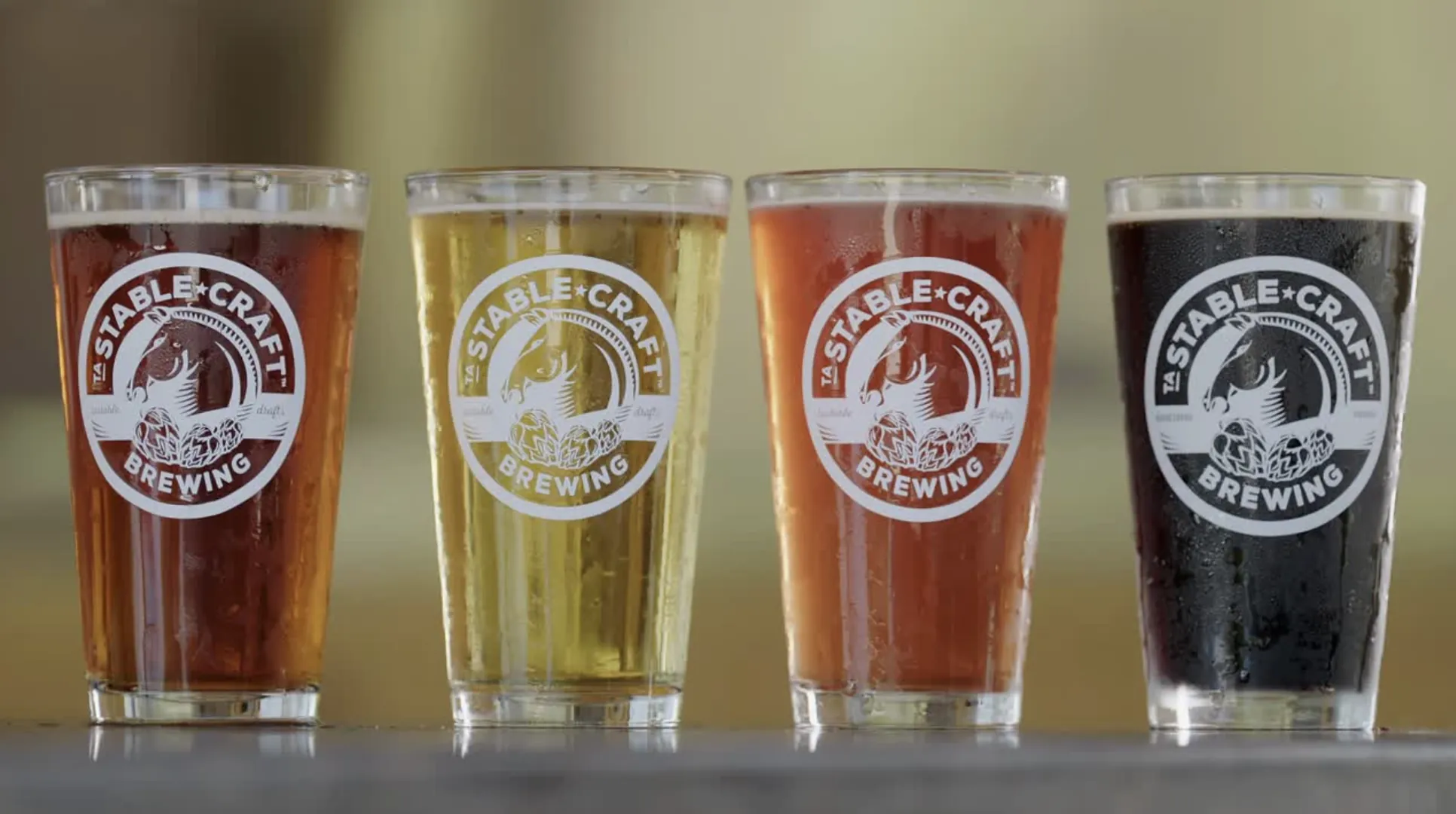
If a pilsner sounds appealing but you prefer a gentler bitterness, Helles is a sensible next pour. If you want a sharper snap of hops and a drier finish, pilsner is often the better fit. A beer tasting flight is an easy way to compare light, malt-forward, and hop-forward options side by side.
Pilsner often puts the bitter, aromatic edge first. Helles starts with the comfortable middle of the palate, then lets the finish clear away.
Is Helles a light beer?
Helles is pale in color and commonly easy to drink, but “light” does not mean empty or low in character. The style has enough malt presence to feel rounded, and its flavor comes from balance rather than from a high level of bitterness, sweetness, roast, or alcohol.
A beer can look golden and still feel substantial. In a Helles, the grainy-sweet malt profile and medium body give the beer its shape, while the dry finish keeps it from becoming heavy. That makes it a useful choice for someone who wants a lager with more flavor than a very neutral pour, without moving into an intense or bitter style.
Malt leads while hops keep the finish in balance
The style’s balance is not accidental. The BJCP style description calls for Continental Pilsner malt, traditional German hops, and clean German lager yeast. Those ingredients point toward a beer with a grainy, bready malt character and a fresh, unobtrusive fermentation profile.
Hops are still important in Helles, but they are not there to dominate the aroma or leave a sharp bitter edge. A light herbal, floral, or spicy note can keep the malt from feeling flat. The finished beer should come across as soft and dry, with enough bitterness to invite another sip rather than overwhelm the one before it.
What a good Helles tastes like
A well-made Helles can suggest fresh bread or grain, with a moderate malt flavor that stays smooth rather than rich. Hops may show up as a quiet floral, herbal, or spicy note, but they are there to keep the beer in balance, not to take over the glass.
The texture matters, too. Helles is typically medium-bodied with moderate carbonation and a well-lagered, polished character. It should feel refreshing after a few sips, which is why the style works well for a relaxed afternoon, a meal, or a round shared with friends.
Notice what happens after the sip as well as at the beginning. A Helles should not finish cloying or leave a forceful bitterness behind. The malt impression can linger gently, but the overall effect should remain clean enough that food, conversation, and the next taste all have room to come through.

How to choose a Helles you will enjoy
Start with the menu description. “Crisp” and “clean” can fit Helles, but the words that separate it from a pilsner are usually malt, bread, grain, or soft bitterness. Ask whether the beer is more malt-forward or more hop-forward if the description is brief.
Freshness and serving condition matter for any lager. A clear, pale beer with a tidy pour can still have a lot to say, so give it a moment before judging it. Notice the aroma, take a small sip, then pay attention to whether the finish feels rounded and dry or sharp and bitter.
It also helps to order for the moment rather than for the label. A Helles is a good match when you want a beer that can sit comfortably beside a meal or a longer visit. If you are looking for a bold hop aroma, a darker malt profile, or a noticeably higher-strength pour, the tap list may point you toward another style instead.
Tap-list wording reveals a Helles’s character
A short beer description can tell you a great deal when you know what to look for. For Helles, words such as malt-forward, bready, grainy, smooth, balanced, or soft bitterness usually point in the right direction. “Crisp” can fit, too, but it does not necessarily mean the beer will taste like a pilsner.
If the list gives only a name and an alcohol percentage, ask for a quick comparison with another pale lager. A useful question is: “Is this more rounded and malty, or more dry and hoppy?” That gives a server a clear preference to work from and helps you choose based on the beer’s character rather than on unfamiliar terminology.
Stable Craft’s current tap list shows what is pouring
Stable Craft serves house-brewed beer alongside cider, craft soda, and food, so a table can suit a range of tastes. The current tap list is the best place to see what is pouring before you visit.
If Helles is not listed, the same clues can help you choose another clean lager or ask the team for a pour with a similarly balanced profile.
If you spot a lager you are curious about, ask whether it leans soft and malt-forward or crisp and hop-forward. That one question can make choosing a beer feel much less like a guess, and leave more room to enjoy the food, the view, and the people at your table.