Farm-to-table dining means a restaurant puts real thought into where its ingredients come from and how they reach the kitchen. In practice, that often means food from nearby or regional farms, seasonal choices, and a staff who can talk plainly about what is on the plate. It does not promise one exact mileage rule or one fixed menu. It does ask diners to look beyond the label and toward the sourcing behind the meal.
The phrase is useful when it leads to a more connected dining experience. You may see a menu change with the season, hear a server explain a special, or choose a dish because it makes the most of what a producer has available. For guests, the value is less about memorizing a definition and more about knowing what to ask before settling in.
Farm-to-table dining starts with a clearer food story
At its best, farm-to-table gives a meal a visible path back to the people and places that produced its ingredients. A restaurant may work directly with a farm, buy through a local food hub, or use regional producers whose products are identified on the menu. The route can vary, but the important part is that the kitchen can explain it without turning the answer into a slogan.
The U.S. Department of Agriculture uses farm-to-fork as a related term for the steps involved in food production, processing, handling, distribution, and preparation. That broader view is helpful at the table: the food does not become meaningful only when it arrives at the restaurant. Its story begins earlier, with the people growing, raising, making, and moving it.
Does farm-to-table always mean local food?
Farm-to-table is broader than a map pin. A nearby ingredient may still reach a restaurant through a distributor, and a restaurant can build meaningful relationships with producers beyond the nearest county. The strongest answer is not one distance by itself, but a clear explanation of how the kitchen chooses suppliers and ingredients.
That is why it helps to ask which ingredients are seasonal and whether the menu identifies the producers when it makes a sourcing claim. The answer can be simple. A restaurant may feature food from several regional producers, work through a distribution partner, or highlight one ingredient that is especially good right now.
Why do farm-to-table menus change?
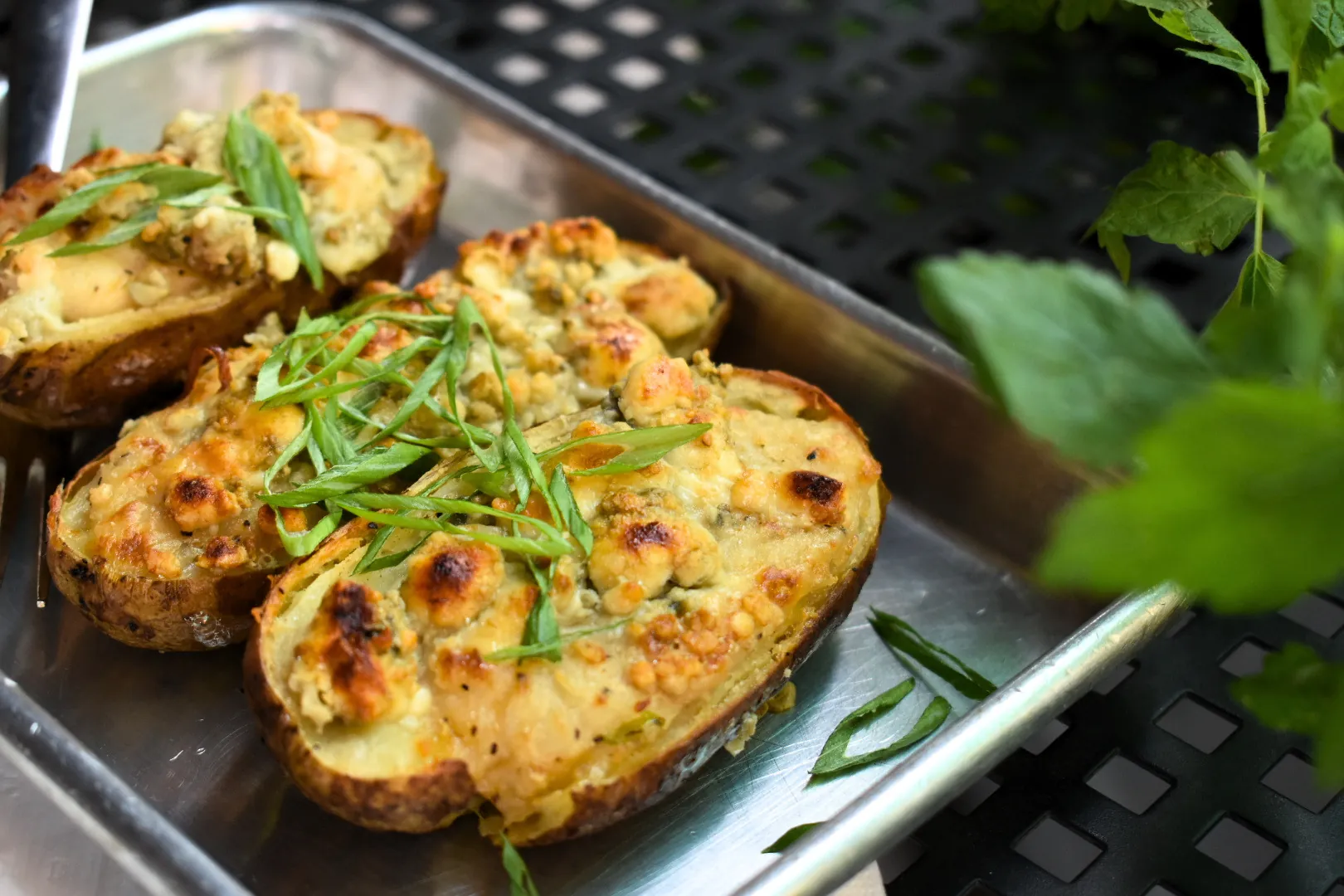
A farm-to-table menu is often built to flex. When an ingredient is abundant, it may show up in a special, a side dish, or several plates. When a growing season changes, the kitchen may change with it rather than forcing the same dish to stay on the menu all year. That can make a return visit feel different in a good way.
Seasonality also gives diners a practical reason to ask what is new. A server may be able to point out a short-run dish, a producer named on the menu, or the ingredient that is doing the most work in a particular plate. If the answer is simply that the kitchen is featuring what is available, that is useful too. Honest detail is more valuable than a grand claim.
Does farm-to-table always mean food comes from one farm?
“Direct” can mean different things in a real food system. A farm may sell to a restaurant itself, but food can also move through a cooperative, a food hub, or another intermediary that keeps the producer identified. The USDA describes food hubs as organizations that manage the aggregation, distribution, and marketing of source-identified food from multiple producers, often local or regional ones.
That matters because a restaurant does not need to make every purchase through the same channel to be thoughtful about sourcing. Produce, proteins, dairy, bread, and beverages all have different availability and handling needs. A useful farm-to-table approach is specific about what a restaurant knows and serves, rather than treating every ingredient as if it followed the exact same route.
Questions make the label more useful
The easiest way to understand a menu is to ask one clear question. Which ingredients are local or regional right now? Does the menu change with the season? Is there a producer behind today’s special? A good answer does not have to be long. It only needs to help you choose with more confidence.
Restaurants are also allowed to have practical limits. A kitchen may not source every ingredient locally every day, and a farm-focused menu does not guarantee that every item was grown next door. A clear answer about what is known, what is seasonal, and what is being featured respects both the diner and the producer far more than vague language ever could.
A farm setting and farm-to-table sourcing are different details
Dining on a farm can make the connection to the landscape feel immediate, but it does not answer every sourcing question on its own. A farm restaurant may grow some ingredients on site, buy from neighboring producers, or bring in ingredients that are practical for its kitchen. Each approach can be worthwhile when it is explained with care.
That distinction helps diners appreciate both the setting and the meal for what they are. Look for the details that matter to you, whether that is a seasonal plate, a named producer, a locally made drink, or simply a menu that changes with the rhythm of the year. The best answer is a specific one.
Questions that make the choice clearer
Farm-to-table dining is not a test with one correct answer. It is a chance to choose a meal with more context. If you care most about seasonal food, ask what is new. If you want to support a nearby producer, ask which ingredients have a local or regional connection. If you are planning for friends or family, ask which current dishes make sharing easy.
Those questions make the meal more personal without asking a restaurant to make promises it cannot keep. They also leave room for a menu to be delicious, flexible, and welcoming. Good food starts with care in the kitchen, then gives guests an honest way to understand what is in front of them.
Farm dining brings the meal and setting together
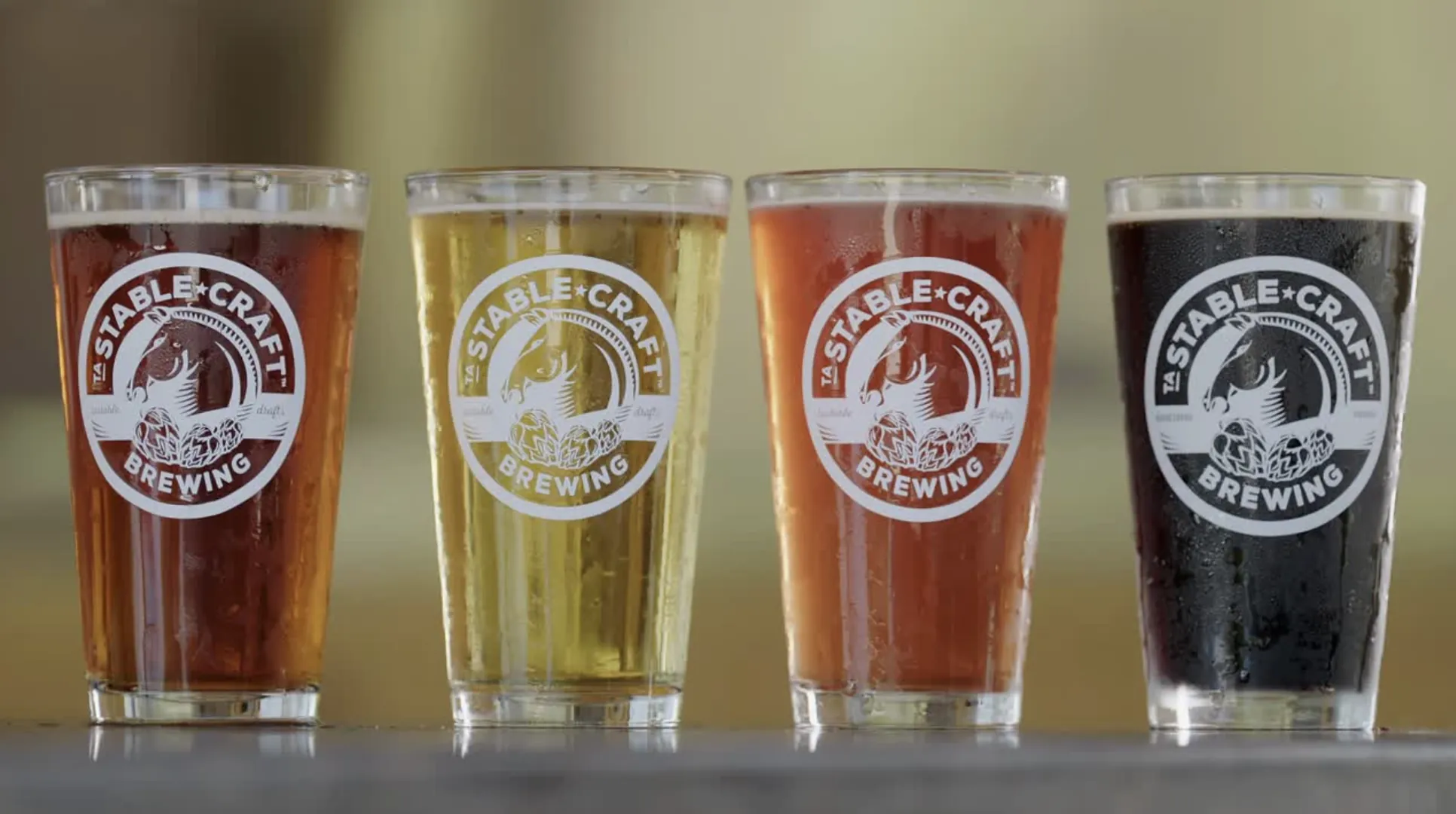
At Stable Craft, guests can settle in for farm-fresh food, house beer, cider, and a view worth lingering over. The farm setting gives a table room to slow down, whether the plan is a straightforward dinner, a Blue Ridge day with friends, or an unhurried afternoon outside.
The right visit does not need a complicated itinerary. Start with the food and drink options, then choose whether the day calls for a meal, a tasting flight, or time to linger over the view. Guests planning a broader outing can also use the visit details before making the drive.
Frequently asked questions
Does farm-to-table require an exact mileage limit?
No. Restaurants and communities use different definitions of local, so an exact distance alone does not explain a menu. A more useful answer names the producers, ingredients, or seasonal choices the kitchen can stand behind. Those details help diners understand the meal without relying on one label.
What should I ask when a menu uses farm-to-table?
Ask which ingredients are featured from local or regional producers, whether the menu changes with the season, and what the kitchen knows about a current special. Specific answers are more useful than a broad label, especially when you are deciding between several dishes.
Can farm-to-table dining work for a group meal?
Yes. A shared meal can still center seasonal ingredients and a sense of place. The helpful first step is to ask about the current menu and choose a setting where the group can enjoy the food, drinks, and time together.