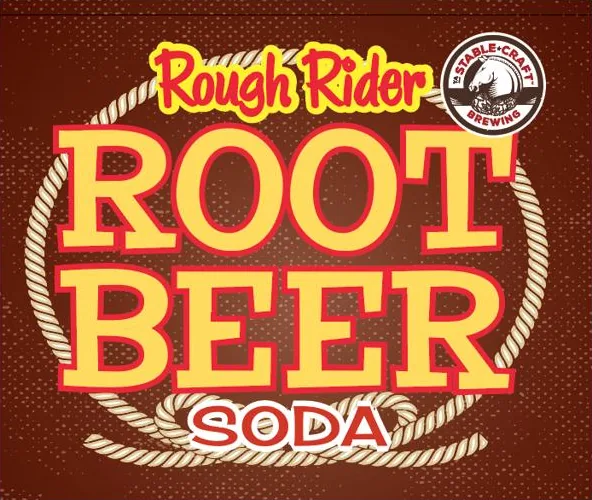
A craft soda is a non-alcoholic, carbonated drink that puts more attention on flavor, ingredients, and the character of the finished pour than a standard fountain option. It may be a root beer, cream soda, ginger soda, fruit soda, or another sparkling recipe, but the point is the same: give the glass a flavor worth choosing on its own.
The word “craft” is useful as a clue, not a promise that every bottle will taste alike. Read the flavor name, notice the ingredients and nutrition information that the maker provides, and choose the profile that fits the meal and your own taste. A good craft soda can make the non-alcoholic choice feel considered rather than like an afterthought.
Craft soda starts with a clear flavor idea
Carbonation gives soda its lift, but it does not give a drink its personality. That comes from the flavor base. A root beer-style soda can lean warm and spiced, with notes that suggest vanilla, wintergreen, sarsaparilla, or baking spice. A cream soda usually aims for a round, vanilla-led profile. Citrus, berry, ginger, and herb sodas each lead with a different kind of brightness.
That flavor choice matters when you are deciding at a table. A familiar cola-style soda may be exactly right when you want something simple. A craft soda offers a more specific direction: creamy, sharp, herbal, fruity, spicy, or dark and rich. Start there instead of assuming every fizzy drink will perform the same job beside food.
Flavor names are a starting point, not a complete description. Two root beers can feel very different: one may be dry and herbal, while another is soft, vanilla-forward, and closer to a dessert. The same is true for ginger soda. One bottle may bring a firm, fresh bite, while another is sweeter and more rounded. When a menu gives a few tasting words, use those words to make the first choice more intentional.
Ingredients shape the first sip and the finish
The ingredient list is the practical place to look when a flavor name sounds promising. Sweetener affects how quickly a drink reads as sweet and how long that sweetness stays on the palate. Fruit juice, botanical extracts, spices, and acids can bring aroma, tartness, or a dry edge. Carbonation changes the texture too: a lively pour can make a citrus soda feel brisk, while softer bubbles can make a creamier flavor feel smoother.
There is no universal ingredient formula that makes one soda better than another. The useful question is whether the ingredients support the flavor you want. If you are drawn to ginger, look for a drink with a recognizable ginger note. If you want something less candy-like with lunch, a citrus or herb-forward option may feel cleaner. If sugar, caffeine, or another dietary detail matters to you, the individual product label is the reliable place to check.
Acid is an especially useful part of the picture. Citrus-based drinks often use it to bring a quick, mouthwatering finish. In a darker soda, a little acidity can stop the sweetness from feeling heavy. Spices work differently. Ginger, cinnamon, clove, or anise can show up as aroma before the sip, then stay behind as warmth or lift. Looking for those distinct notes is a better way to understand a drink than judging it by color alone.

Craft soda is not a health claim
“Craft” describes the drink’s approach to flavor. It does not automatically mean low sugar, low calorie, caffeine-free, or suitable for a particular diet. A soda can use a familiar ingredient and still be sweet. Another can use a distinctive flavor combination and still have nutrition details that do not fit what you are looking for that day.
That distinction keeps the choice honest. Pick craft soda because you want a flavorful non-alcoholic drink, not because the label alone sounds like a wellness guarantee. When nutrition or ingredients are part of your decision, use the facts supplied for the specific bottle or menu item. The flavor is the invitation; the label provides the particulars.
This is also why “natural” and “real” are not enough information by themselves. Those words do not tell you how sweet a drink is, whether it contains caffeine, or how it will taste with dinner. A careful choice can be simple: decide what matters for that meal, then use the product details to confirm it. That approach leaves room to enjoy a bold flavor without asking a marketing word to carry more meaning than it can.
Choose a soda by the food on the table
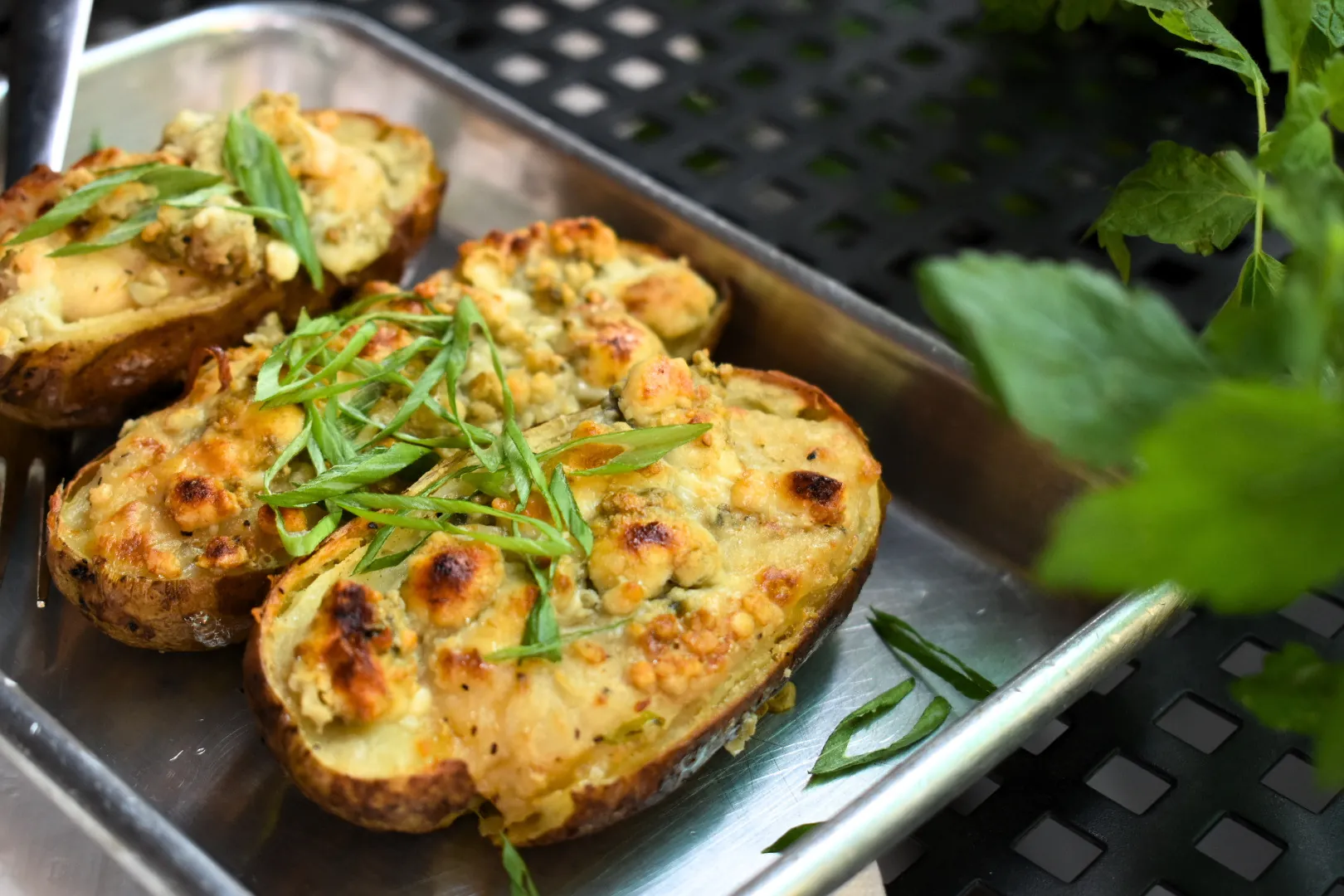
Pairing does not need to be fussy. Rich, savory food often welcomes a soda with a sharper edge. Citrus and ginger can cut through fried food, spice, or a creamy sauce because their acidity and heat keep the palate moving. A dark root beer or a cream soda can sit comfortably next to barbecue, a burger, smoked food, or a sandwich with a salty component.
Fruit-forward sodas work well when you want brightness without the bite of ginger. They can be an easy companion to a salad, a lighter lunch, or a dessert shared after the meal. The best pairing is not a rulebook exercise. Take a sip with the food and notice whether the drink clears the palate, echoes a flavor you enjoy, or makes the next bite feel too sweet. That quick check tells you more than a complicated chart.
Think about texture as well as flavor. A soda with strong carbonation can feel especially refreshing next to a fried appetizer or a rich sandwich because the bubbles create contrast. A creamier, lower-key profile may be better when the food is already delicate and you do not want a sharp drink taking over. When the table is sharing several dishes, choosing more than one soda can be a simple way to give different flavors a chance beside the meal.
Serving temperature and carbonation matter
Craft soda is usually most appealing when chilled enough to keep the carbonation tight and the sweetness in balance. A warm soda can feel heavier because the bubbles soften and the sweet notes become more obvious. Ice can keep a drink cold through a long meal, though it will dilute the last few sips, especially in a tall glass.
Pouring into a glass is a small detail that can make a difference. It gives the carbonation room to rise, releases aroma, and makes it easier to notice whether the drink is bright, creamy, spicy, or dark. A bottle or can is perfectly practical for a casual visit. A glass simply lets the drink show more of what the maker built into it.
Open the drink close to when you plan to enjoy it. Carbonation is part of the flavor structure, and a soda left open for a long stretch will lose the crisp texture that balances sweetness and aroma. With a shared meal, the easiest rhythm is to order a cold soda with the food, take the first few sips while it is lively, then let it settle into the meal rather than saving it for the end.

Craft soda gives every guest a place in the order
A good table does not make one person settle for an option they did not want. Craft soda gives a guest who is skipping alcohol a drink with its own flavor and occasion. It also gives families, designated drivers, and people who simply want a different kind of pour a reason to enjoy the same round without making the drink decision the awkward part of the plan.
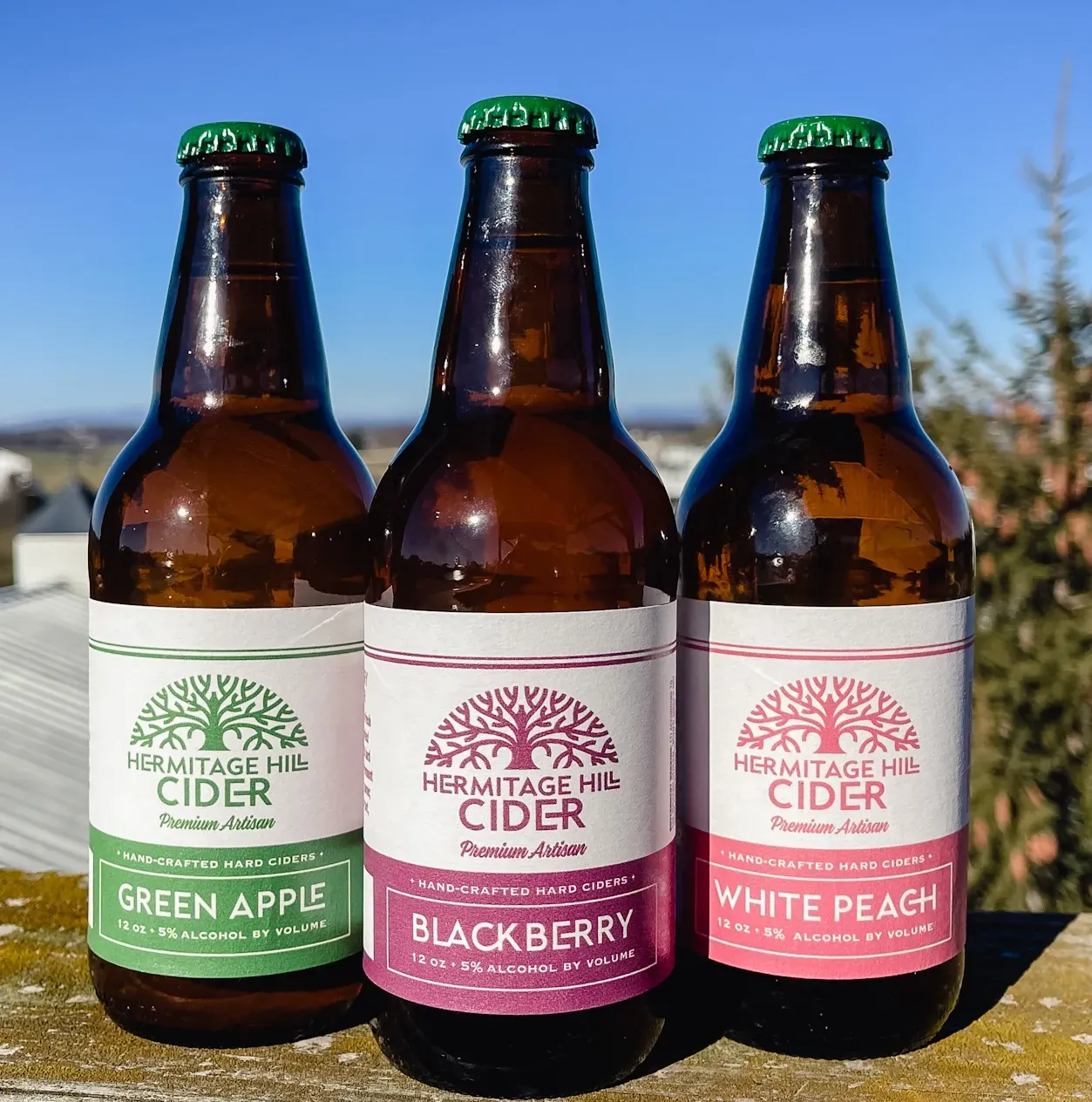
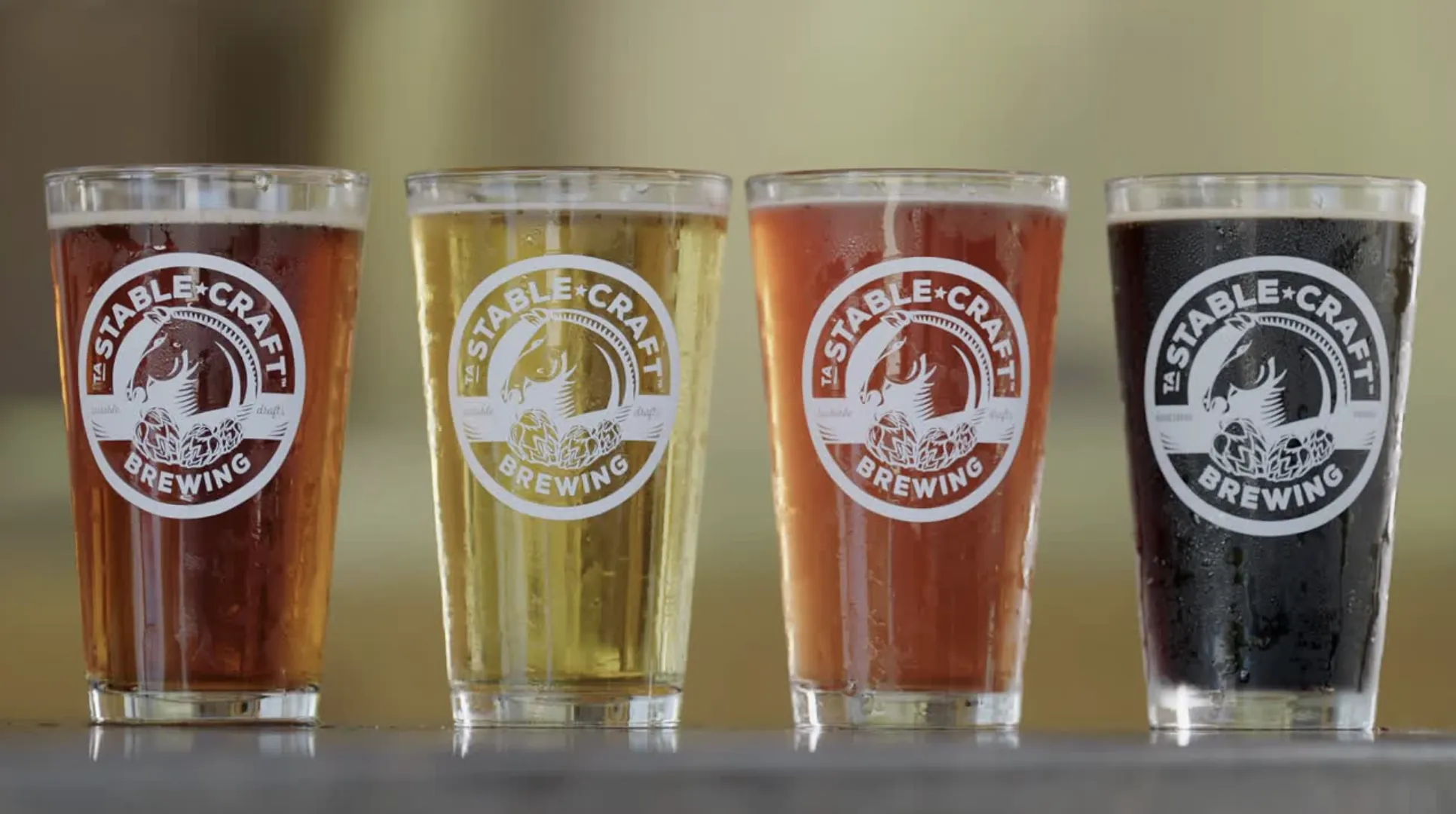
At Stable Craft, craft soda is part of the food-and-drink offering alongside house-brewed beer and Hermitage Hill Cider. That range is useful when a group arrives with different preferences. One guest can choose a pint, another can choose cider, and another can choose a soda that still feels made for the meal rather than chosen by default.
A quick way to choose your first craft soda
- Start with the flavor family. Choose root beer or cream soda for round, dessert-like notes; citrus or fruit for brightness; and ginger for a sharper, more aromatic pour.
- Match the food. Bring a crisp, tart, or spicy soda to richer food. Choose a smoother soda when you want the drink to echo the comfort of the meal.
- Check the details that matter to you. The individual menu description or label is where caffeine, sweetener, and nutrition facts belong.
- Let the group order differently. A shared table does not need a shared drink. The best choice is the one that makes your meal and visit more enjoyable.
Once you know whether you want bright, spicy, creamy, or dark, craft soda becomes easy to approach. The label may introduce the flavor, but your own taste is the final answer.
For a first visit, one familiar flavor is a sensible place to start. Root beer, cream soda, citrus, and ginger each make a clear promise. After that, a less familiar fruit, herb, or spice combination can turn the next order into a small discovery without making the meal feel like a gamble.
It also helps to separate the drink from the occasion. You do not need a special celebration to order a flavor you are curious about, and you do not need to treat a non-alcoholic pour as a compromise. Choose the soda that sounds good with the food in front of you, drink it while it is cold and lively, and let the rest of the visit take its own pace.
When you are ordering for someone else, skip the assumption that a non-alcoholic drink must be plain. A guest may want ginger’s bite, the comfort of root beer, or a bright fruit flavor just as deliberately as another guest chooses a beer style. Giving that choice the same attention makes the table easier to plan and more enjoyable to share.
Frequently asked questions
Is craft soda alcoholic?
Craft soda is generally a non-alcoholic soft drink. It can have the same thoughtful flavor approach as craft beer, but it is chosen for carbonation, sweetness, and ingredients rather than alcohol.
Does craft soda always use cane sugar?
No. Cane sugar is common, but the useful check is the individual bottle or menu description. Makers can use different sweeteners and recipes, so the flavor and nutrition facts belong to that specific drink.
What food goes well with craft soda?
Choose by flavor direction. Root beer and cream soda fit rich, savory dishes; citrus and ginger styles can freshen fried or spicy food; and fruit-forward sodas are an easy match for a lighter lunch or dessert.